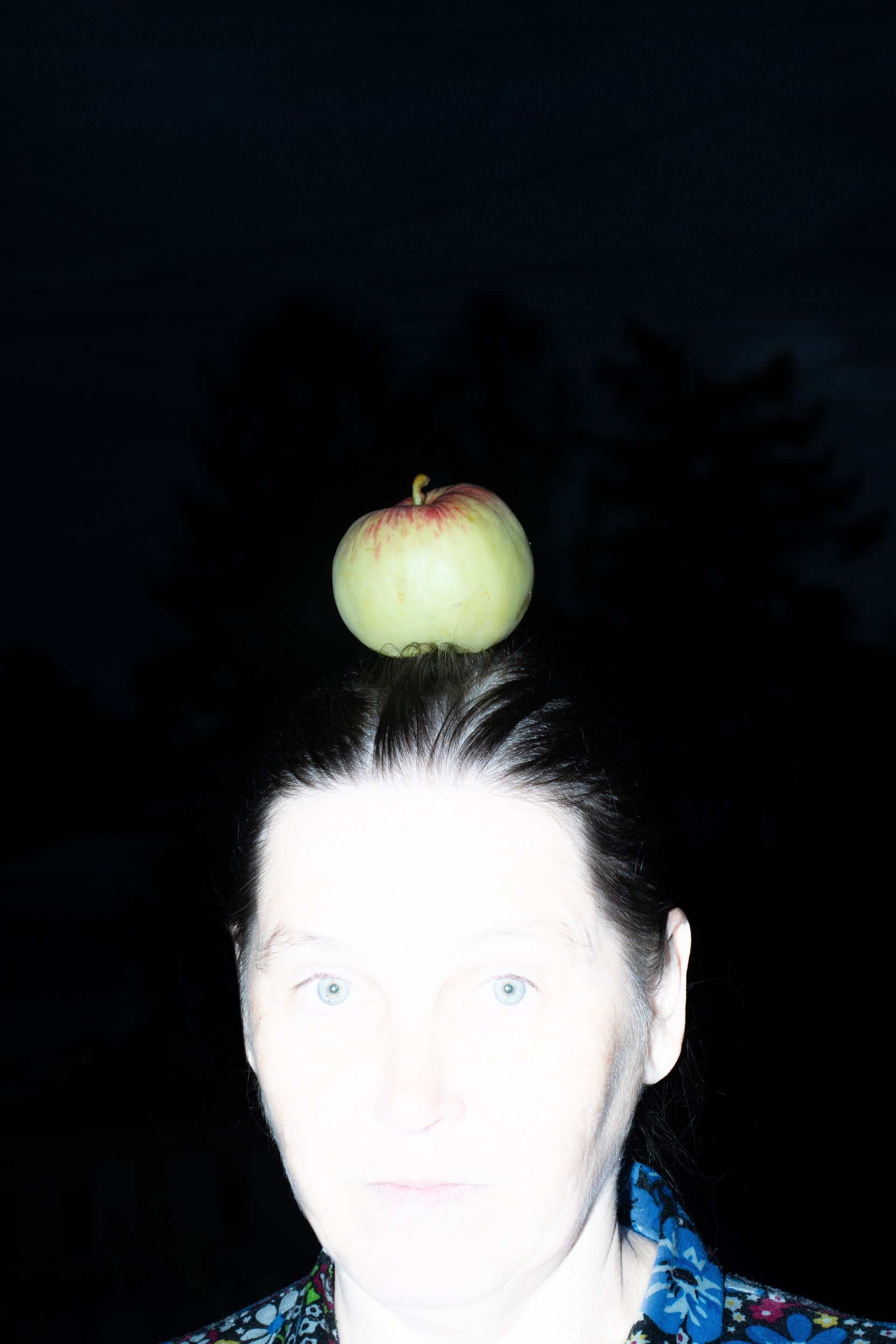
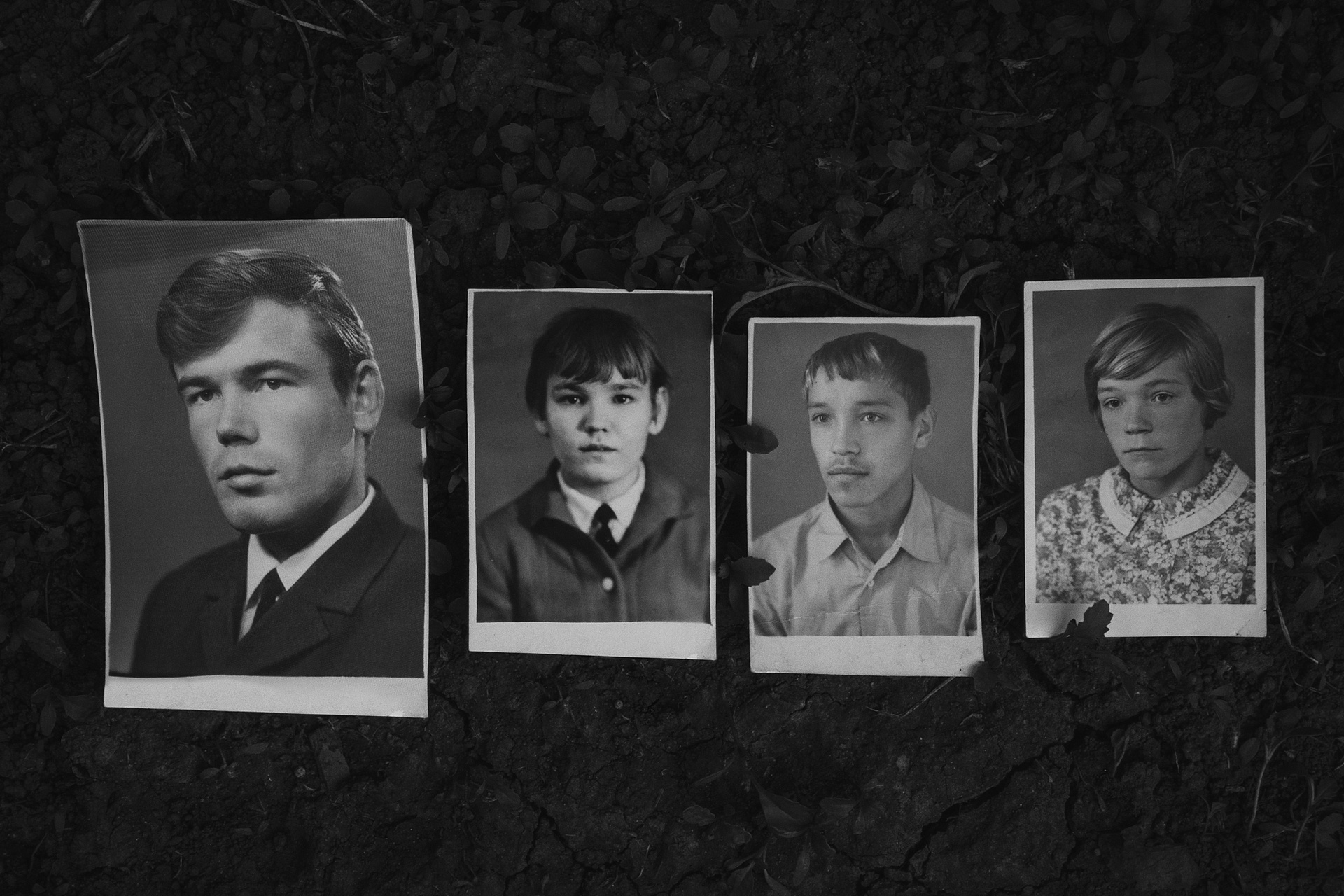
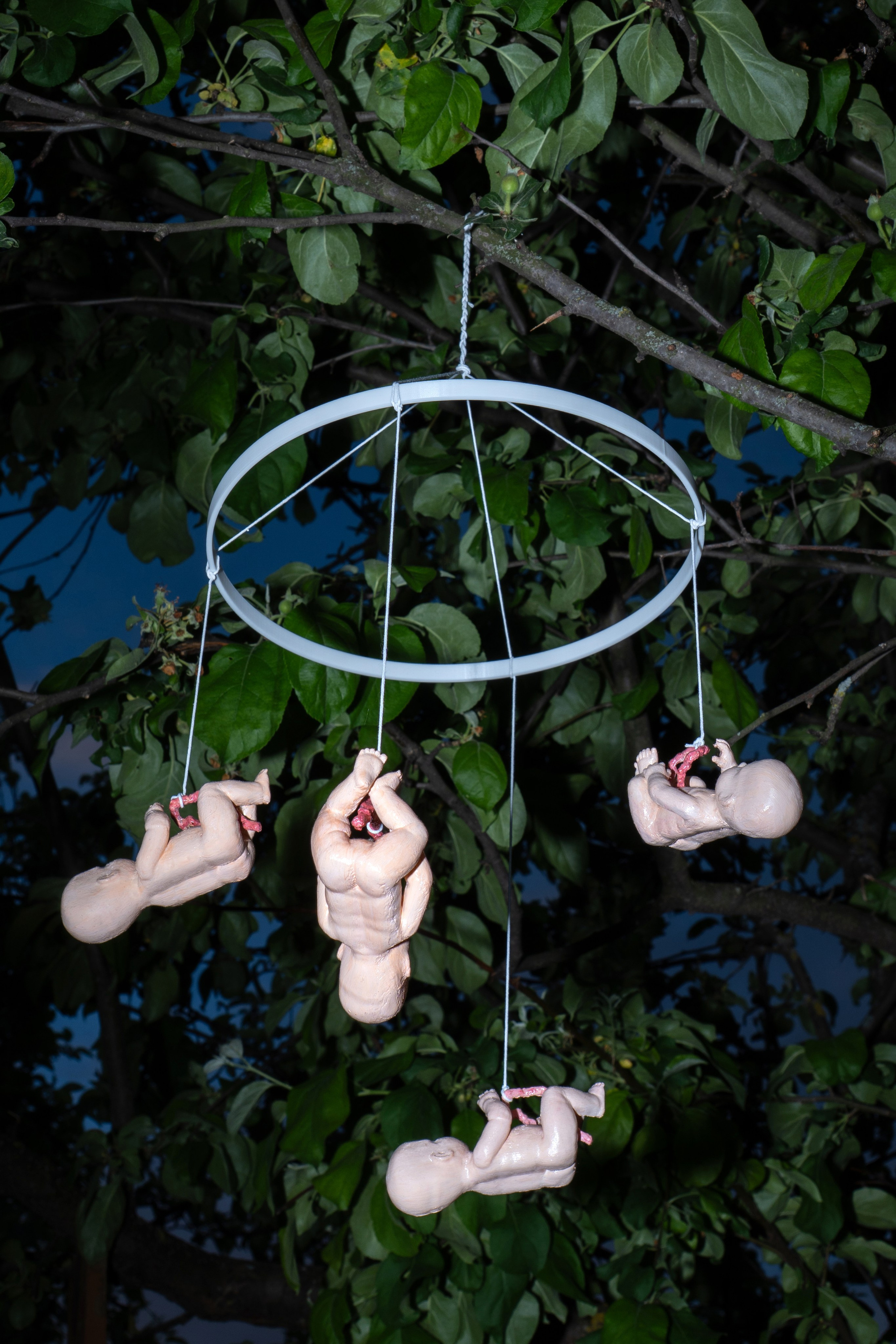
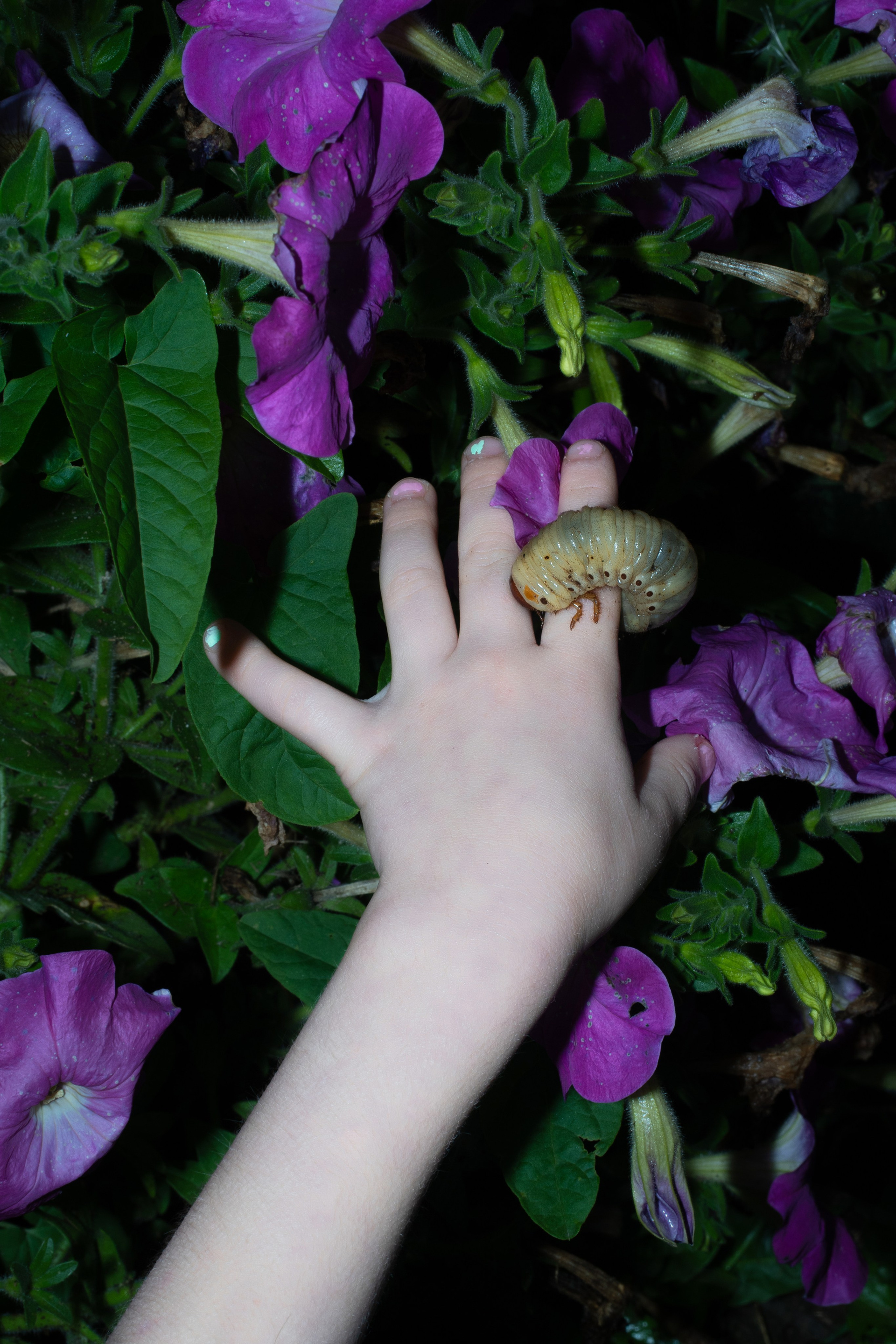
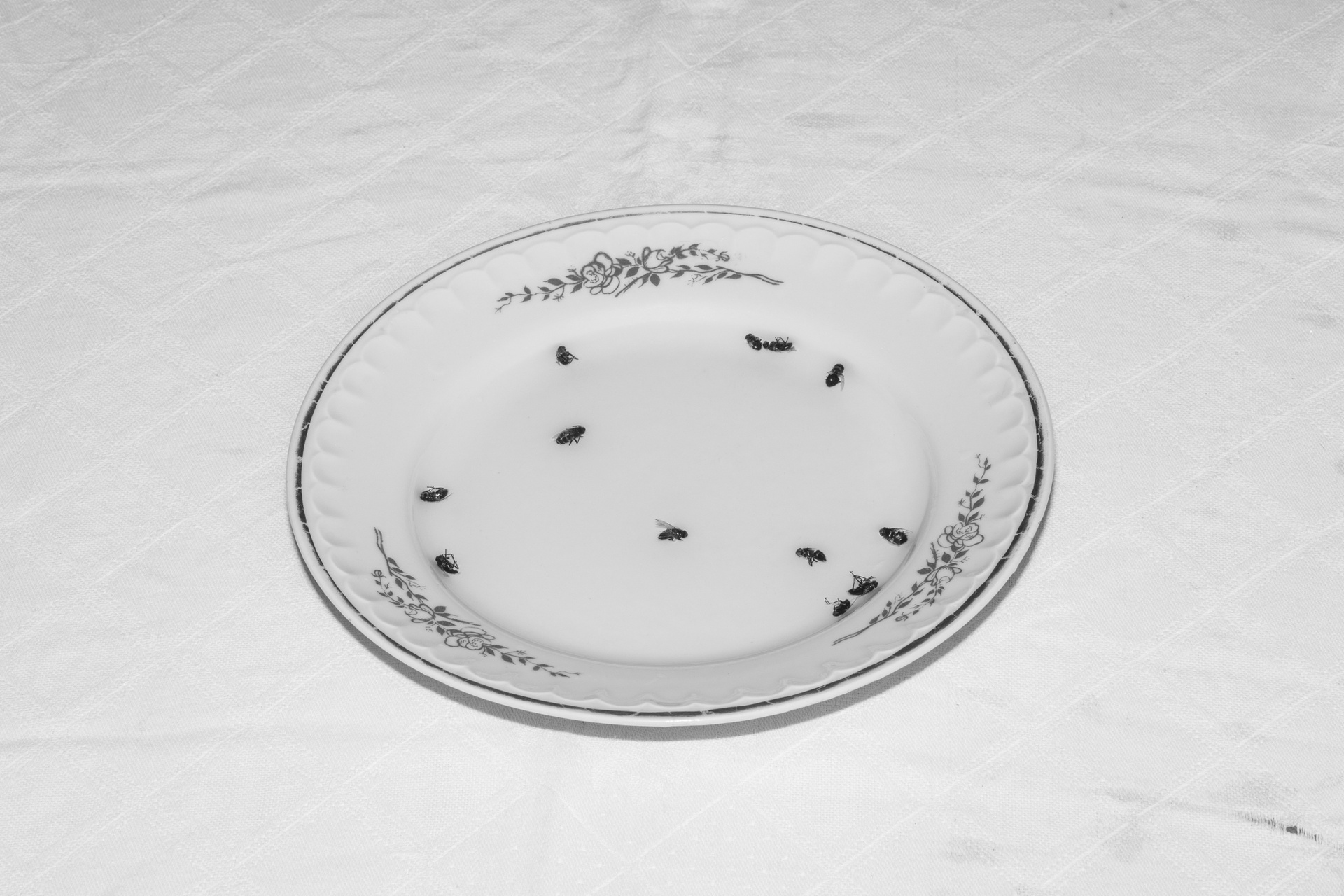
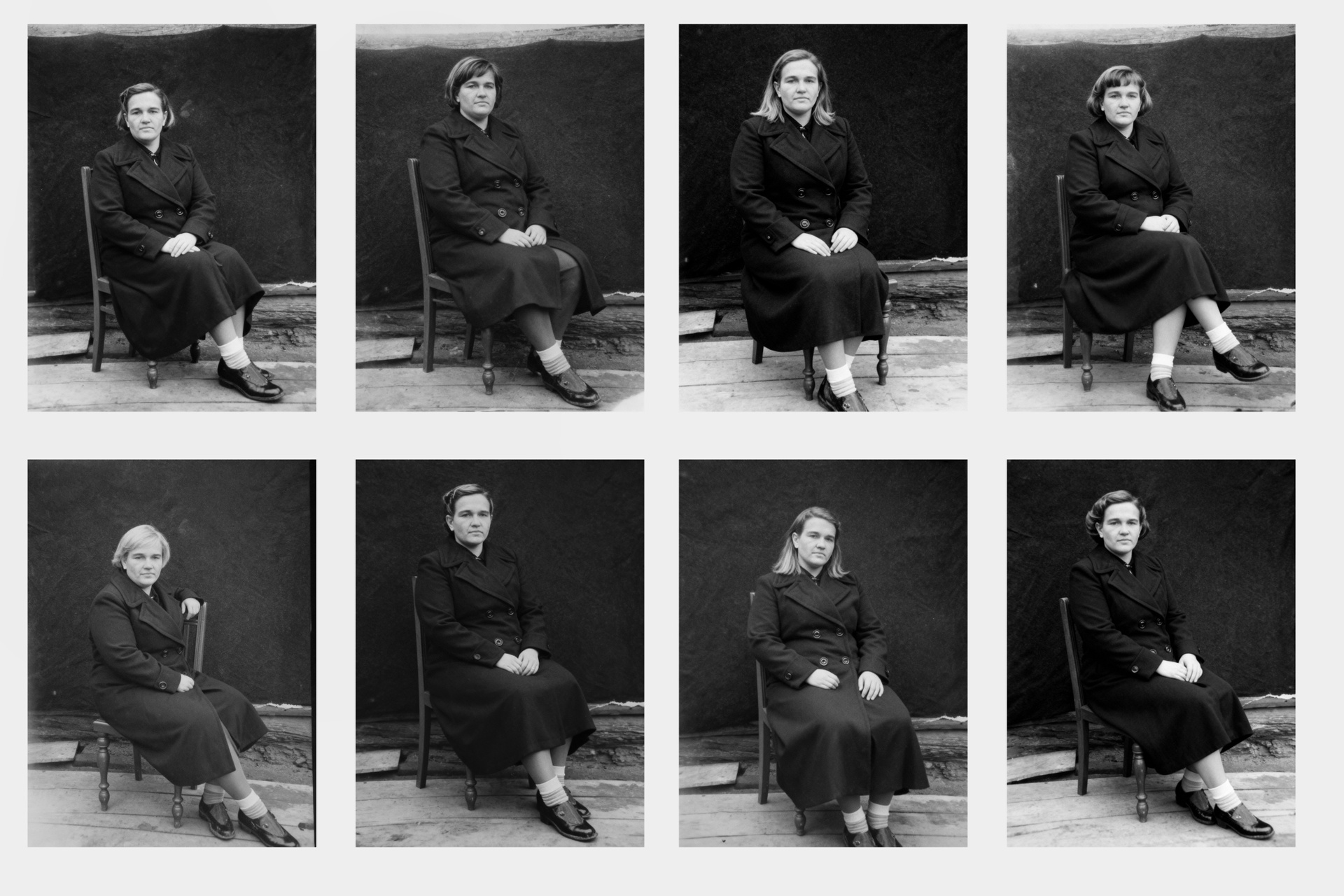
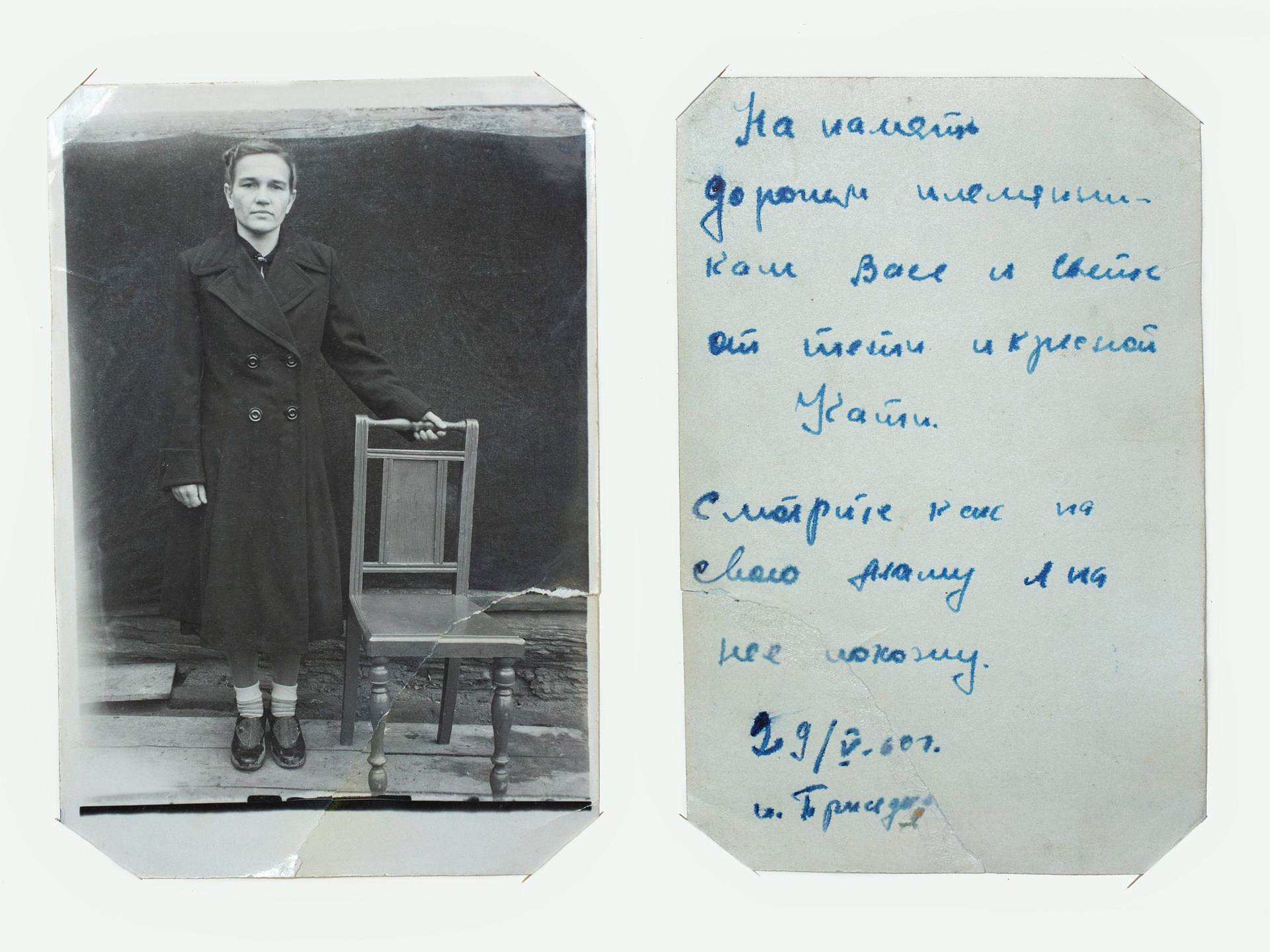
В моей семье никто никогда не видел мою прабабушку. Все что у нас есть — это фотография ее сестры, с надписью на обороте: «Смотрите как на свою маму, я на неё похожа».
Моя прабабушка Марфа покончила с собой в 28 лет, оставив четверых детей.
Я долго думала о её уходе. И поняла, что это была попытка сохранить себя — через остановку. Через отказ продолжать там, где продолжение уже невозможно.
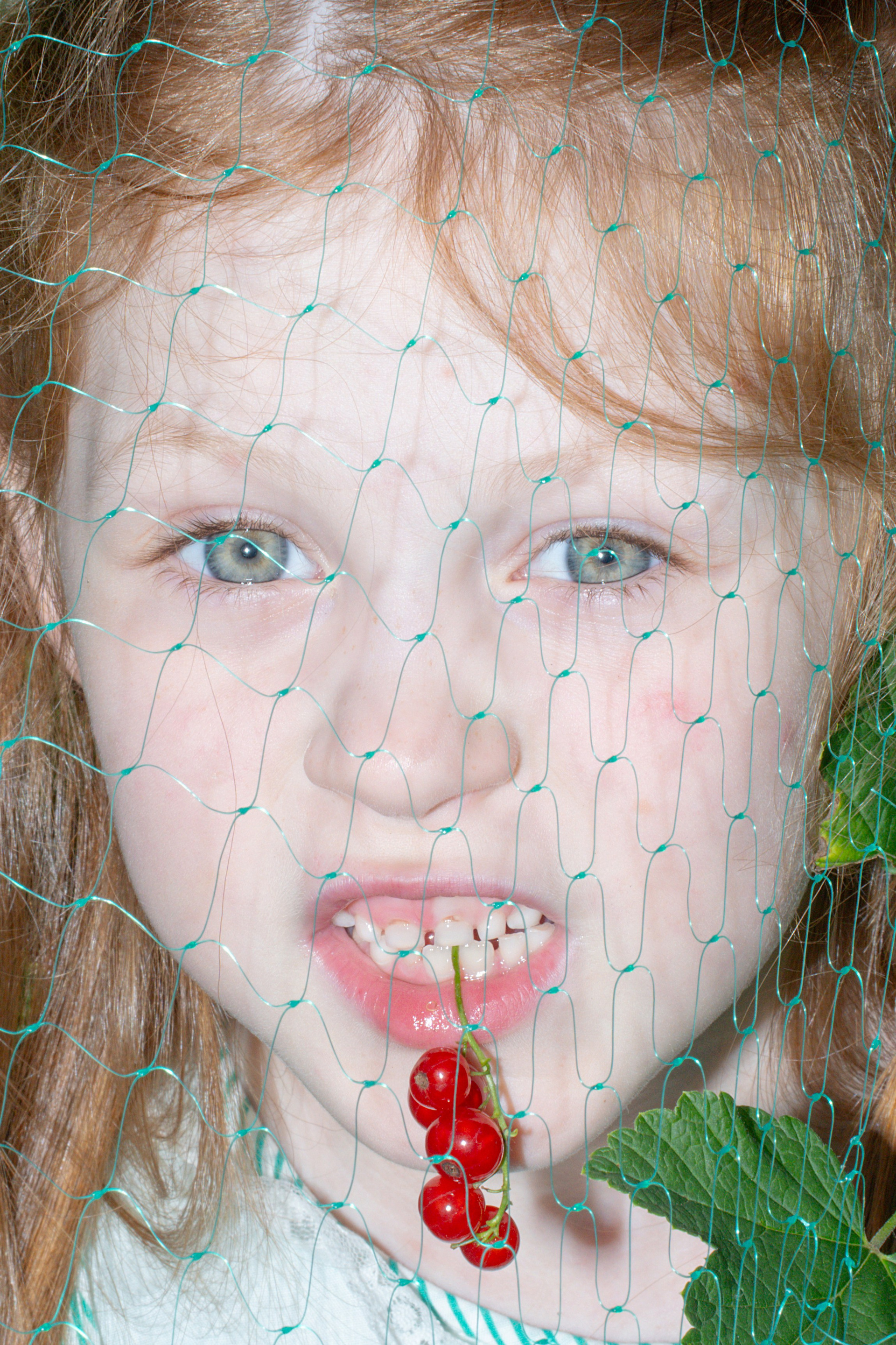
В нашей семье не принято говорить о её судьбе. Но молчание не стерло её след. Я вижу Марфу в женщинах нашей семьи. В нашей несгибаемости, в умении защищать себя и растить дочерей, зная, что мир не гарантирует безопасности.
Я спрашиваю себя: когда человек перестаёт существовать — когда умирает или когда о нём перестают говорить? И чувствую, что мне важно восстановить справедливость — вернуть ей место в памяти, которой она была лишена. Дать ей голос, лицо, присутствие.
No one in my family ever saw my great-grandmother. All we have is a photograph of her sister, with an inscription on the back: «Look at me as your mother, I resemble her.»
My great-grandmother Marfa took her own life at 28, leaving behind four children.
For a long time I thought about her departure. And I came to understand that it was an attempt to preserve herself—through stopping. Through falling silent. Through refusing to continue where continuation was no longer possible.
In our family, it is not customary to talk about her fate. But silence has not erased her trace. I see Marfa in the women of our family. In our resilience, in our ability to defend ourselves and raise daughters knowing that the world offers no guarantee of safety.
I ask myself: when does a person cease to exist—when they die, or when people stop talking about them? And I feel that it is important for me to restore justice—to give her back the place in memory she was deprived of. To give her a voice, a face, a presence.